


The Science Behind Bioregulators
Bioregulators are short-chain peptides that influence gene expression and cellular processes often in a tissue-specific manner. Their regulatory function offers a targeted approach to modulating systems involved in, but not limited to, repair, inflammation, metabolism, and immune response.
Fundamentally, bioregulators utilize your body’s natural building blocks to influence biological function without disrupting its natural design.
How They Work
Bioregulators influence gene expression by affecting when and how specific genes are activated. This action can be tissue or organ-specific, allowing for highly targeted biological effects.
Rather than imposing external change, bioregulators engage the body’s existing systems, helping restore function by activating pathways that are already part of its natural design.
They support precise, biologically guided change by activating processes already embedded in the cell.
Biology already knows what to do. We’re just helping it do it better.
Applications & Potential
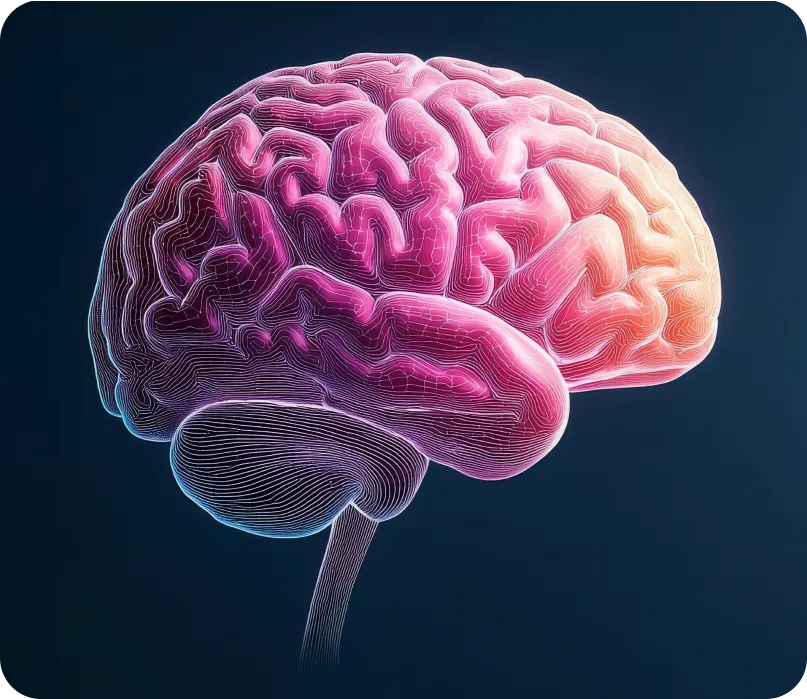
By acting at the level of regulation, bioregulators offer a pathway to support health at its foundation, not just its symptoms, representing a step toward more intelligent, personalized, biology-aware interventions.
Our Scientific Approach
We combine traditional peptide research with modern computational tools including AI-driven molecular modelling and systems biology frameworks to explore bioregulators with real-world potential.
We’re focused on the early stages: understanding mechanisms, testing hypotheses, and identifying leads worth developing. Our aim is to move discovery forward with rigor, precision, and scientific integrity, without skipping the steps that matter.

AI refines the complexity. Biology reveals the purpose.
Frequently Asked Questions
What makes bioregulators different from other drugs?
Are bioregulators a new discovery?
Since the late 1800s, scientists (including Charles Darwin) have found hormones involved in plant growth regulation, often called bioregulators. Bioregulators were first studied for human use in the 1970s, particularly in Eastern European research, and have been part of biological science for decades. Some have been explored in clinical and therapeutic settings, but many remain early in their development. This is an evolving field and the focus now is on understanding how to apply them with greater precision, safety, and long-term impact.
Why are bioregulators relevant today?
As healthcare moves toward more targeted, preventative approaches, bioregulators represent a transformative direction. They work at the level of regulation, where many chronic conditions begin, offering the potential to support balance, adaptation, and long-term resilience before dysfunction occurs.
How do you combine AI with biological research?
We use AI to model peptide interactions, identify potential targets, and explore complex biological systems more efficiently. The science starts and stays with biology. Every computational insight is guided by biological context and validated through established scientific theories and reasonings.
Are bioregulators safe?
Bioregulators often mimic or modify naturally occurring peptides in the body, which gives them a favourable starting point in terms of biocompatibility. That said, safety depends entirely on the context, molecule, and use case which is why discovery and validation must come before application. For further reading on peptide safety: